
The global banking landscape in 2026 is dominated by Asian financial institutions — particularly Chinese megabanks — alongside the most powerful American and European financial institutions. Total global banking assets have surpassed USD 180 trillion with the top 10 banks alone controlling assets exceeding USD 40 trillion. China’s four largest state-owned banks — ICBC, China Construction Bank, Agricultural Bank of China, and Bank of China — collectively control approximately USD 20 trillion in assets, making China’s state banking sector the most dominant force in global financial history. JPMorgan Chase holds the title of the world’s most profitable bank and the most valuable by market capitalisation. The 2026 global banking rankings are shaped by decades of deposit accumulation, lending scale, and increasingly by digital banking transformation. Let us have a look at the top 10 biggest banks in the world for the year 2026.
1. Industrial and Commercial Bank of China (ICBC)
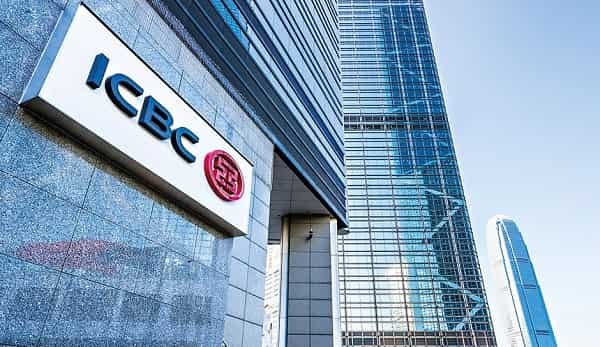
Industrial and Commercial Bank of China, established in the year 1984 and headquartered in Beijing, is the world’s largest bank by total assets with approximately USD 6.3 trillion in total assets making it the biggest financial institution on the planet. ICBC serves over 700 million individual customers and approximately 9.4 million corporate clients across China and in 42 countries and regions globally. The bank is majority state-owned by the Chinese government and the Central Huijin Investment and is consistently ranked at the top of the Global 2000 list of the world’s largest public companies by Forbes.
ICBC serves individual retail customers, corporate clients, government entities, and international financial institutions with a comprehensive range of commercial banking, investment banking, asset management, and insurance products, and its sheer scale of operations makes it the most systemically important financial institution in the world’s second largest economy.
2. China Construction Bank Corporation (CCB)
China Construction Bank Corporation, founded in the year 1954 and headquartered in Beijing, is the world’s second largest bank by total assets with approximately USD 5.5 trillion and the second largest state-owned bank in China. Originally established to finance China’s national infrastructure construction, CCB has evolved into a comprehensive commercial bank serving retail, corporate, and government clients across China and internationally. CCB is listed on both the Hong Kong Stock Exchange and the Shanghai Stock Exchange and is consistently ranked as one of the world’s most systemically important banks.
CCB serves individual homeowners, infrastructure developers, corporations, and government entities across China and internationally with retail banking, mortgage lending, corporate banking, investment banking, and wealth management services, and its deep infrastructure financing heritage gives it unmatched expertise in the project finance and real estate lending segments.
3. Agricultural Bank of China (ABC)
Agricultural Bank of China, established in the year 1951 and headquartered in Beijing, is the world’s third largest bank by total assets at approximately USD 5.2 trillion and the state-owned bank with the most extensive rural and agricultural community banking network in China. ABC operates the most geographically distributed branch network of any Chinese bank, reaching rural communities in China’s most remote provinces that other commercial banks do not serve. The bank has been one of the key financial institutions supporting China’s rural revitalisation strategy and agricultural modernisation programs.
ABC serves China’s rural communities, agricultural businesses, small towns, and urban retail and corporate customers with its comprehensive banking services and has a unique social mandate to support China’s agricultural sector and rural economic development alongside its commercial banking operations.
4. Bank of China (BOC)
Bank of China, established in the year 1912 and headquartered in Beijing, is one of China’s four major state-owned commercial banks with total assets of approximately USD 4.8 trillion and the most internationally present of all Chinese banks, operating in 62 countries and regions. Bank of China has a unique heritage as China’s most internationally experienced bank, with a history of facilitating China’s international trade and foreign exchange operations dating back over a century. BOC is an authorised foreign exchange bank and the primary clearing bank for offshore renminbi in multiple global financial centres.
Bank of China serves individual and corporate customers in China and internationally with retail banking, corporate banking, investment banking, insurance, and direct investment services, and its unmatched international network among Chinese banks makes it the primary financial partner for Chinese enterprises operating globally and for foreign companies conducting business with China.
5. JPMorgan Chase and Co.
JPMorgan Chase, formed through the merger of JPMorgan and Chase Manhattan in the year 2000 and headquartered in New York, is the largest bank in the United States and the most profitable bank in the world, consistently generating annual net profits exceeding USD 50 billion. The bank holds total assets of approximately USD 3.9 trillion and employs over 300,000 people globally. JPMorgan Chase is the world’s leading investment bank by most measures of advisory and underwriting league tables and its consumer banking franchise Chase serves 80 million American households making it the most commercially comprehensive bank in the USA.
JPMorgan Chase serves individual consumers, businesses of all sizes, institutional investors, corporations, and governments globally with retail banking, commercial banking, investment banking, asset management, and treasury services, and is the benchmark global bank against which all other financial institutions measure their performance, capabilities, and strategic positioning.
6. Bank of America
Bank of America, founded in the year 1904 as Bank of Italy in San Francisco by Amadeo Giannini and headquartered in Charlotte, North Carolina, is the second largest bank in the United States and one of the world’s most systemically important financial institutions with total assets of approximately USD 3.3 trillion. The bank serves approximately 69 million consumer and small business clients through its 3,900 plus financial centres and is one of the world’s largest wealth management companies through its Merrill Lynch and Private Bank divisions. Bank of America’s digital banking platform has 57 million verified digital users.
Bank of America serves individual consumers, small businesses, middle-market companies, large corporations, institutional investors, and governments globally with its comprehensive financial services spanning consumer banking, wealth management, corporate banking, investment banking, and global markets trading capabilities.
7. HSBC Holdings
HSBC Holdings, founded in the year 1865 as The Hongkong and Shanghai Banking Corporation in Hong Kong and now headquartered in London with major operations in Hong Kong, is one of the world’s largest and most geographically diversified banking groups with total assets of approximately USD 3.0 trillion and operations across 62 countries. HSBC uniquely bridges Western financial markets with Asian economic growth through its unmatched footprint across Europe, Asia Pacific, the Middle East, and the Americas. HSBC’s strong Asian presence, particularly in Hong Kong and China, differentiates it from most other European and American banking giants.
HSBC serves individual customers, businesses, and institutional clients across Asia Pacific, Europe, and the Americas with retail banking, commercial banking, investment banking, global markets, and wealth management services, and is the world’s primary international banking bridge connecting capital flows between Western financial markets and Asian economic powerhouses.
8. BNP Paribas
BNP Paribas, formed through the merger of Banque Nationale de Paris and Paribas in the year 2000 and headquartered in Paris, is the largest bank in Europe by total assets at approximately USD 2.9 trillion and one of the most globally present French financial institutions. The bank operates across four major business lines — Retail Banking, Investment and Protection Services, Commercial and Personal Banking, and Corporate and Institutional Banking — serving clients across 65 countries. BNP Paribas is one of the world’s most important corporate and institutional banking and capital markets franchises.
BNP Paribas serves individual customers, businesses, corporations, and institutional investors across Europe, North America, Asia Pacific, and the Middle East with its comprehensive financial services, and is the largest European bank by assets and one of the most globally capable financial institutions for multi-currency corporate finance, capital markets, and trade finance.
9. Mitsubishi UFJ Financial Group (MUFG)
Mitsubishi UFJ Financial Group, formed in the year 2005 through the merger of Mitsubishi Tokyo Financial Group and UFJ Holdings and headquartered in Tokyo, is Japan’s largest and the world’s fourth largest bank by total assets at approximately USD 3.1 trillion. MUFG is the holding company for Bank of Tokyo-Mitsubishi UFJ, Mitsubishi UFJ Trust and Banking, and multiple other financial subsidiaries. The group has been aggressively expanding internationally and holds significant stakes in Morgan Stanley, Bank of Ayudhya in Thailand, and MUFG Bank has banking operations across 50 countries.
MUFG serves Japanese retail and corporate customers and international clients across Asia, the Americas, and Europe with its comprehensive banking, trust, asset management, and securities services, and is Japan’s most internationally active bank with growing strategic investments and partnerships across Southeast Asia and the Americas.
10. State Bank of India (SBI)
State Bank of India, established in the year 1955 through the nationalisation of the Imperial Bank of India and headquartered in Mumbai, is India’s largest bank by assets and deposits and the only Indian bank consistently ranked among the world’s top 10 banks in global rankings. SBI has total assets exceeding Rs 70 lakh crore and operates India’s most extensive banking network with over 22,000 branches and 65,000 ATMs making it the most geographically accessible bank in the world’s most populous nation. SBI’s YONO digital platform has over 80 million registered users.
SBI serves individual depositors, home loan borrowers, agricultural communities, corporate clients, and government financial operations across India and internationally with its comprehensive banking services, and is the single most important financial institution for financial inclusion in India given its unmatched geographic coverage across rural, semi-urban, and urban India.
Frequently Asked Questions (FAQs)
Q: Which is the largest bank in the world in 2026?
A: Industrial and Commercial Bank of China or ICBC is the world’s largest bank by total assets with approximately USD 6.3 trillion, making it the biggest financial institution on the planet. China’s four largest state-owned banks — ICBC, China Construction Bank, Agricultural Bank of China, and Bank of China — collectively control approximately USD 20 trillion in assets, dominating the global banking asset rankings.
Q: Which is the most profitable bank in the world in 2026?
A: JPMorgan Chase is consistently the world’s most profitable bank, generating annual net profits exceeding USD 50 billion. Despite being smaller than Chinese banks by total assets, JPMorgan’s returns on equity and profitability metrics significantly exceed those of the Chinese megabanks. JPMorgan is also the most valuable bank globally by market capitalisation.
Q: Why do Chinese banks dominate the world’s largest banks list?
A: Chinese banks dominate the largest banks list primarily due to China’s enormous domestic deposit base from its 1.4 billion citizens, decades of high savings rates, state ownership that gives unlimited government support, and China’s rapid economic growth creating massive demand for corporate and project lending. State ownership also means Chinese megabanks have never faced the capital constraints that market-funded Western banks face during economic downturns.
Q: Is there any Indian bank in the world’s top 10 largest banks?
A: State Bank of India is the only Indian bank that regularly appears in global top 10 lists when ranked by certain metrics including number of branches and depositor count. By total assets, SBI ranks outside the global top 10 but is consistently in the top 50 globally. HDFC Bank is India’s second largest by assets but is smaller than SBI. India’s banking sector is growing rapidly and SBI’s asset base is expanding faster than most of its global peers.
Q: What is the difference between total assets and market capitalisation for banks?
A: Total assets represent the sum of everything a bank owns or has lent out including loans, investments, cash, and property. Chinese banks lead by total assets due to massive loan books. Market capitalisation reflects what investors think a bank is worth based on its shares’ current price multiplied by shares outstanding. JPMorgan leads by market cap because its profitability and return on equity are superior to Chinese banks. A bank can have enormous assets but low market cap if investors do not believe those assets are generating adequate returns.