
The smell of fresh bread, warm cakes, cookies, cream rolls, pastries and biscuits has a special power. A bakery does not sell only food; it sells comfort, celebration and small moments of happiness. A birthday cake can become the centre of a party, a packet of cookies can become an evening snack, and fresh bread can become part of a family’s daily breakfast.
This is why the bakery business has strong demand in both small towns and big cities. It can be started as a home bakery, cloud bakery, small shop, café-style bakery, wholesale bakery, or premium cake studio. With the rise of online orders, food delivery apps, social media marketing and customized cakes, bakery businesses now have more opportunities than before.
However, bakery business also needs discipline. Taste, hygiene, freshness, pricing, packaging, delivery, skilled labour and customer trust are very important. A bakery can grow beautifully, but poor quality or careless handling can damage its reputation quickly.
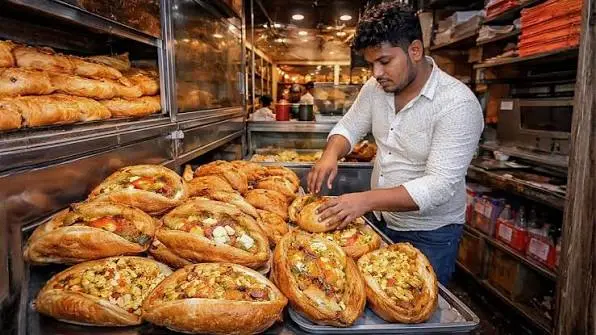
What is a Bakery Business?
A bakery business involves preparing and selling baked food items such as bread, cakes, pastries, cookies, biscuits, buns, muffins, doughnuts, cupcakes, brownies, puffs and other bakery products.
Some bakeries focus on daily-use items like bread and biscuits, while others focus on celebration products like birthday cakes, wedding cakes and customized desserts.
A bakery can work in different ways:
- Home bakery
- Retail bakery shop
- Online bakery
- Café bakery
- Wholesale bakery
- Cake and dessert studio
- Cloud kitchen bakery
The model depends on investment, location, skill and target customers.
Main Features of Bakery Business
Daily and Occasional Demand
Bakery products are used both daily and during celebrations. Bread, buns and biscuits have regular demand, while cakes and pastries sell more during birthdays, weddings, festivals and parties.
Taste and Freshness Matter
Customers return only when the products taste good and feel fresh. One bad experience can affect repeat orders.
Strong Visual Appeal
In bakery business, appearance matters a lot. A beautifully decorated cake or attractive pastry can sell faster than a plain-looking product.
Hygiene is Essential
Bakery products are food items, so cleanliness, storage, packaging and safe preparation are very important.
Advantages of Bakery Business
1. Regular Demand
Bakery products have steady demand. Bread, biscuits, cakes, cookies and snacks are consumed by people of all age groups. This gives the business a wide customer base.
2. Can Start Small
One major advantage is flexibility. A person can start from home with basic equipment and limited products. Later, the business can expand into a shop, café or online brand.
3. Good Profit Potential
Items like cakes, pastries, brownies, cookies and customized desserts can offer good profit margins if quality and pricing are managed properly.
4. Creative Business Opportunity
Bakery business gives space for creativity. New flavours, designs, themes, packaging, festival hampers and customized cakes can attract more customers.
5. Online Selling Advantage
Social media platforms, WhatsApp orders, Instagram pages and delivery apps have made it easier to sell bakery products without opening a large shop.
6. Repeat Customers
If customers like the taste and service, they often return for birthdays, anniversaries, snacks and family functions. Repeat orders can make the business stable.
7. Suitable for Women and Home Entrepreneurs
Home bakery is a good opportunity for people who want to start a business from home, especially those skilled in baking and cake decoration.
8. Scope for Branding
A bakery can become a local brand through good taste, neat packaging, unique designs and reliable delivery.
Disadvantages of Bakery Business
1. Perishable Products
Many bakery items have a short shelf life. Cakes, pastries, cream items and fresh bread can spoil quickly. Unsold stock may lead to losses.
2. High Competition
The bakery market is competitive. Local bakeries, home bakers, cafés, supermarkets and online sellers all compete for customers.
3. Need for Skilled Work
Good baking needs skill. Cake decoration, bread making, icing, flavour balance and oven handling require practice. Poor quality can reduce customer trust.
4. Hygiene and Food Safety Pressure
Since it is a food business, hygiene must be maintained strictly. Poor cleanliness can create health issues and damage reputation.
5. Early Morning and Long Working Hours
Bakeries often start work early in the morning. During festivals and wedding seasons, work hours can become long and tiring.
6. Equipment Cost
Ovens, mixers, refrigerators, display counters, packaging material and baking tools require investment. A larger bakery needs even more capital.
7. Delivery Challenges
Cakes and pastries are delicate. Wrong handling, heat, traffic or poor packaging can damage products during delivery.
8. Price Fluctuation of Ingredients
Prices of flour, butter, cream, chocolate, sugar, dry fruits and packaging materials may change. This can affect profit margins.
Bakery Business vs Home Bakery
A home bakery is suitable for small-scale orders, customized cakes, cookies and online selling. It needs lower investment and can be managed from home.
A retail bakery shop needs more investment but can attract walk-in customers. It is better for regular sales of bread, snacks, pastries and cakes.
A home bakery is good for beginners. A shop-based bakery is better when demand increases and the owner wants wider reach.
Who Should Start a Bakery Business?
A bakery business is suitable for people who enjoy food, creativity and customer service. It is especially good for those who can maintain quality, hygiene and consistency.
But it should not be started only because baking looks easy. Business planning, pricing, packaging, delivery, marketing and waste control are equally important.
Conclusion
Bakery business is a promising business idea because it combines food, creativity, celebration and regular demand. It can be started from home or developed into a full bakery shop or café. Its biggest advantages are steady demand, creative freedom, repeat customers, online selling opportunities and good profit potential.
But it also has challenges such as perishability, competition, hygiene pressure, ingredient cost, skilled labour needs and delivery problems.
FAQs on Bakery Business
Q. Is bakery business profitable?
Yes, it can be profitable if products are tasty, fresh, well-priced and marketed properly. Customized cakes and premium items can give better margins.
Q. Can I start a bakery from home?
Yes, a home bakery is a good starting option with lower investment. You can begin with cakes, cookies, brownies and small party orders.
Q. What is the biggest challenge in bakery business?
The biggest challenge is managing freshness. Many bakery items spoil quickly, so production must match demand.
Q. Which bakery items sell the most?
Bread, cakes, pastries, cookies, brownies, buns, puffs and cupcakes usually have good demand.
Q. Is location important for a bakery shop?
Yes. A bakery near schools, offices, markets, residential areas or busy roads can get better walk-in customers.
Q. How can a bakery attract more customers?
Good taste, attractive display, social media photos, festival offers, customized cakes, clean packaging and timely delivery can attract more customers.