
Asia is home to the world’s largest banking institutions by total assets, with China’s four state-owned megabanks alone controlling more assets than all European and American banks combined. Asia’s banking sector total assets exceed USD 60 trillion, representing over one-third of global banking assets. The region’s banking dominance is driven by China’s enormous domestic savings pool, Japan’s aging population’s conservative wealth storage preferences, and the rapid growth of banking in India, Southeast Asia, and South Korea. Chinese banks have dominated the global banking asset rankings for over a decade. ICBC at USD 6.3 trillion in total assets is the world’s largest bank while India’s SBI continues to expand rapidly. The region’s banking landscape is evolving rapidly with digital banking transformation, fintech competition, and the increasing internationalisation of Asian banks. Let us have a look at the top 10 biggest banks in Asia for the year 2026.
1. Industrial and Commercial Bank of China (ICBC)
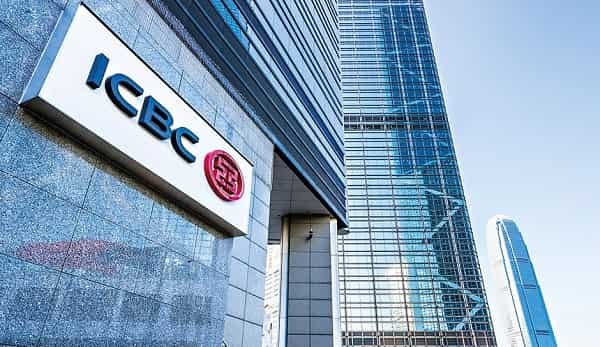
Industrial and Commercial Bank of China, established in the year 1984 and headquartered in Beijing, is not only the largest bank in Asia but the largest bank in the entire world with total assets of approximately USD 6.3 trillion. ICBC serves over 700 million individual customers and 9.4 million corporate clients across China and has international operations in 42 countries. State-owned by the Chinese government through Central Huijin Investment and the Ministry of Finance, ICBC is the backbone of China’s domestic commercial banking system and the primary lender to the country’s largest state-owned enterprises.
ICBC serves every segment of China’s vast economy from individual retail depositors to the country’s largest infrastructure and industrial corporations with its commercial banking, investment banking, and asset management services, and its scale provides unmatched systemic importance to China’s financial stability and economic development.
2. China Construction Bank Corporation (CCB)
China Construction Bank Corporation, founded in the year 1954 and headquartered in Beijing, is the second largest bank in Asia with approximately USD 5.5 trillion in total assets and the world’s second largest bank overall. CCB has a particular heritage in infrastructure and real estate financing, having been originally created to finance China’s national construction program, and has evolved into one of China’s most comprehensive commercial banks. The bank is listed on both Hong Kong and Shanghai stock exchanges and is one of the designated global systemically important banks by the Financial Stability Board.
CCB serves individual mortgage borrowers, infrastructure developers, state-owned enterprises, and international clients with its comprehensive banking services, and its deep expertise in real estate lending and infrastructure project finance makes it the most important banking partner for China’s enormous construction and urban development industry.
3. Agricultural Bank of China (ABC)
Agricultural Bank of China, established in the year 1951 and headquartered in Beijing, is the world’s third largest bank and the third largest in Asia with approximately USD 5.2 trillion in total assets. ABC has the most extensive rural banking network in China, reaching agricultural communities and small towns across the country’s vast interior that other commercial banks do not serve. The bank plays a unique social role in supporting China’s rural revitalisation policy and agricultural modernisation by providing financial services to hundreds of millions of rural Chinese citizens.
ABC serves China’s rural communities, agricultural businesses, and urban retail and corporate customers with its banking products, and its mandate to support rural financial inclusion and agricultural development gives it a distinctive social purpose alongside its commercial banking operations that serves China’s national policy of reducing urban-rural income inequality.
4. Bank of China (BOC)
Bank of China, established in the year 1912 and headquartered in Beijing, is the world’s fourth largest bank and the fourth largest in Asia with approximately USD 4.8 trillion in total assets. Bank of China has the most international presence of any Chinese bank, operating in 62 countries and regions and serving as China’s primary facilitating bank for international trade, foreign exchange, and cross-border renminbi transactions. BOC is the designated offshore renminbi clearing bank in multiple global financial centres including London, Frankfurt, Sydney, and Singapore.
Bank of China serves Chinese enterprises operating globally, international companies doing business with China, and individual customers in China and overseas with its comprehensive banking and financial services, and its unmatched international network among Chinese banks makes it the most important Chinese financial institution for global trade finance and cross-border capital flows.
5. Mitsubishi UFJ Financial Group (MUFG)
Mitsubishi UFJ Financial Group, formed in the year 2005 and headquartered in Tokyo, is Japan’s largest bank and the largest bank outside of China in Asia with total assets of approximately USD 3.1 trillion. MUFG holds significant international investments including a major stake in Morgan Stanley and banking operations across 50 countries, making it the most internationally active Japanese bank. The group manages assets for both retail and institutional clients and is a major player in Asia-Pacific project finance, syndicated lending, and structured finance.
MUFG serves Japanese retail and corporate customers and international clients across Asia, the Americas, and Europe with its banking, trust, investment, and securities services, and is the primary banking partner for Japan’s major corporations seeking to expand internationally and for international companies seeking to access Japan’s deep and sophisticated capital markets.
6. Postal Savings Bank of China (PSBC)
Postal Savings Bank of China, established in the year 2007 through the reorganisation of the Postal Savings and Remittance Bureau and headquartered in Beijing, is China’s fifth largest bank and one of the largest banks in Asia with total assets exceeding USD 2.3 trillion. PSBC has an extraordinary branch network of approximately 40,000 outlets across China — the largest banking network in the world — with a particular strength in rural and remote areas served through the China Post postal service. PSBC is unique among Chinese megabanks for its focus on retail deposits and personal finance for ordinary Chinese citizens rather than corporate lending.
PSBC serves hundreds of millions of individual depositors across China’s rural and urban areas with savings accounts, personal loans, and basic financial services through its unmatched postal banking network that extends financial access to communities in China’s most remote regions that traditional commercial banks have historically not served.
7. Sumitomo Mitsui Financial Group (SMFG)
Sumitomo Mitsui Financial Group, established in the year 2002 through the merger of Sumitomo Bank and Sakura Bank and headquartered in Tokyo, is Japan’s second largest bank with total assets of approximately USD 2.3 trillion and a growing international presence across Southeast Asia and the Americas. SMFG’s core banking subsidiary Sumitomo Mitsui Banking Corporation is one of Japan’s most important providers of corporate lending, retail banking, and international project finance. The group has made strategic investments and acquisitions in India through Yes Bank and in the USA through Jefferies Financial Group.
SMFG serves Japanese and international corporate clients, retail customers, and institutional investors with its banking, securities, and consumer finance services, and its growing strategic investments across Asia including India and Southeast Asia reflect Japan’s most ambitious Asian expansion strategy among the country’s major banking groups.
8. Mizuho Financial Group
Mizuho Financial Group, established in the year 2000 through the merger of Dai-Ichi Kangyo Bank, Fuji Bank, and Industrial Bank of Japan and headquartered in Tokyo, is Japan’s third largest bank with total assets of approximately USD 2.1 trillion and one of the most globally present Japanese financial institutions. Mizuho has a strong corporate banking franchise serving Japan’s major industrial companies, a growing international presence particularly in the USA through its strong investment banking capabilities, and an increasingly important role in financing Asia’s infrastructure and energy transition projects.
Mizuho serves Japanese and international corporate clients, institutional investors, and retail customers with its banking, securities, and asset management services, and is particularly valued for its deep relationship banking with Japan’s iconic industrial corporations and its growing international capital markets capabilities that serve the cross-border financing needs of Japanese multinational companies.
9. State Bank of India (SBI)
State Bank of India, established in the year 1955 and headquartered in Mumbai, is India’s largest bank and the largest bank in South Asia with total assets exceeding Rs 70 lakh crore and a domestic branch network of over 22,000 branches. SBI is the only Indian bank that consistently appears in Asian top 10 banking lists and its scale reflects India’s rapidly growing financial sector. SBI’s YONO digital platform with 80 million users demonstrates the bank’s successful digital transformation alongside its massive physical branch infrastructure.
SBI serves hundreds of millions of Indian depositors, home loan borrowers, agricultural communities, corporate clients, and government operations with India’s most comprehensive banking services, and its dominant size and government ownership make it the most systemically important financial institution in South Asia’s largest economy.
10. DBS Bank Ltd.
DBS Bank, established in the year 1968 as the Development Bank of Singapore and headquartered in Singapore, is Southeast Asia’s largest bank by total assets at approximately USD 680 billion and consistently rated as the best bank in the world by Global Finance, Euromoney, and other financial publications. DBS has been the most innovative and technologically advanced traditional bank in Asia, winning multiple digital banking and sustainability awards and executing one of the most successful bank-wide digital transformation programs in global banking history. DBS operates across 19 markets globally with particular strength in Singapore, Hong Kong, China, India, Taiwan, and Indonesia.
DBS serves retail consumers, SMEs, large corporations, and institutional investors across Asia and beyond with its award-winning digital banking platform, corporate banking, treasury markets, and wealth management services, and is the gold standard for digital banking transformation among traditional financial institutions globally.
Frequently Asked Questions (FAQs)
Q: Which is the largest bank in Asia in 2026?
A: Industrial and Commercial Bank of China or ICBC is the largest bank in Asia and in the entire world with approximately USD 6.3 trillion in total assets. China’s four state-owned banks — ICBC, CCB, ABC, and BOC — collectively control approximately USD 20 trillion in assets, making Chinese banks by far the dominant force in Asian and global banking asset rankings.
Q: Which is the best bank in Asia by reputation and quality in 2026?
A: DBS Bank of Singapore is consistently rated as the best bank in Asia and frequently the best bank in the world by major financial publications including Global Finance and Euromoney. DBS has led the global banking industry in digital transformation, sustainability integration, and customer experience quality. While Chinese banks lead in size, DBS leads in quality, innovation, and strategic sophistication.
Q: Which is the largest Japanese bank in 2026?
A: Mitsubishi UFJ Financial Group or MUFG is Japan’s largest bank and the largest bank in Asia outside China with total assets of approximately USD 3.1 trillion. It is followed by Sumitomo Mitsui Financial Group at approximately USD 2.3 trillion and Mizuho Financial Group at approximately USD 2.1 trillion. Japan’s three megabanks collectively manage approximately USD 7.5 trillion in total assets.
Q: Is India’s SBI among the largest banks in Asia?
A: SBI is the largest bank in South Asia and consistently ranked in the top 10 banks in Asia by total assets. With total assets exceeding Rs 70 lakh crore, SBI’s scale is comparable to Japan’s largest banks in absolute rupee terms, though still smaller than Chinese megabanks in dollar terms. As India’s economy continues its rapid growth, SBI’s asset base is expanding quickly and the gap with Japanese megabanks is expected to narrow significantly over the next decade.
Q: How is digital banking changing Asia’s banking landscape?
A: Asia is the global leader in digital banking adoption with China’s WeChat Pay and Alipay transforming payments, Singapore’s DBS setting the gold standard for traditional bank digital transformation, India’s UPI processing over 17 billion monthly transactions, and South Korea’s KakaoBank serving millions of digital-first customers. Super-apps in Southeast Asia like GrabPay and Sea Group’s SeaMoney are competing directly with traditional banks. ASEAN’s digital banking licences are attracting new entrants while pushing incumbent banks to accelerate digital investment.