
A bank branch may close at 4 PM, but money needs do not follow banking hours. A sudden medical expense, travel plan, shopping need, school payment, emergency cash requirement, or late-night withdrawal can happen anytime. This is where the ATM, or Automated Teller Machine, becomes one of the most useful banking facilities.
ATMs changed banking by taking basic cash services outside the branch. Earlier, customers had to stand in queues and fill withdrawal slips just to take out money. Today, an ATM allows customers to withdraw cash, check balance, get a mini statement, change PIN, and sometimes deposit cash or transfer funds without meeting a bank employee.
Even in the age of UPI and mobile banking, ATMs remain important. Digital payments are useful, but cash is still needed in many places. However, ATMs also have limitations such as transaction charges, fraud risks, cash unavailability, machine failure, and card misuse. So, customers should understand both the benefits and drawbacks before depending on ATMs completely.
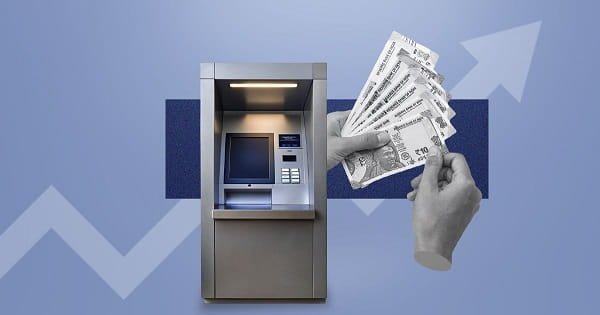
What is an ATM?
ATM stands for Automated Teller Machine. It is an electronic banking machine that allows customers to perform basic banking transactions without visiting the bank counter.
To use an ATM, the customer normally needs a debit card or ATM card and a PIN. After inserting or tapping the card and entering the PIN, the customer can select services like cash withdrawal, balance enquiry, PIN change, or mini statement.
ATMs are installed at bank branches, shopping areas, railway stations, airports, hospitals, petrol pumps, markets, and residential areas.
Main Functions of ATM
1. Cash Withdrawal
The most common use of an ATM is withdrawing cash from a savings or current account.
2. Balance Enquiry
Customers can check their available account balance instantly.
3. Mini Statement
Many ATMs provide a short statement of recent transactions.
4. PIN Change
Customers can change their ATM or debit card PIN through the machine.
5. Cash Deposit
Some advanced machines, known as cash deposit machines, allow customers to deposit cash directly into accounts.
6. Fund Transfer and Other Services
Some ATMs also support fund transfers, mobile number updates, cheque book requests, and other bank-specific services.
Advantages of ATM
1. 24×7 Cash Access
The biggest advantage of an ATM is round-the-clock cash availability. Customers can withdraw money even after banking hours, on Sundays, and during holidays.
2. Saves Time
ATMs reduce the need to stand in long bank queues for simple withdrawals or balance checks. This makes banking faster and easier.
3. Convenient Location
ATMs are available in many public places such as markets, hospitals, malls, railway stations, airports, and near residential areas. This makes cash access easier while travelling or shopping.
4. Useful During Emergencies
In urgent situations like medical needs, travel emergencies, or sudden cash requirements, ATMs can be very helpful.
5. Reduces Branch Workload
ATMs handle basic transactions, allowing bank branches to focus on loans, account services, KYC, complaints, and other detailed work.
6. Easy Balance Tracking
Customers can check account balance and recent transactions without visiting the branch. This helps in money management.
7. Helps Rural and Semi-Urban Customers
ATMs give banking access to people in areas where branch services may be limited or crowded. This supports financial inclusion.
8. Multiple Bank Access
Customers can withdraw money from other banks’ ATMs too, subject to free transaction limits and charges. This gives flexibility when the home bank’s ATM is not nearby.
Disadvantages of ATM
1. Transaction Charges
Banks allow a limited number of free ATM transactions. After the free limit, customers may have to pay charges for withdrawals or balance enquiries.
2. Cash Not Always Available
Sometimes ATMs run out of cash, especially during holidays, salary days, festivals, or in remote areas. This can create inconvenience.
3. Machine Failure
ATMs may fail due to technical issues, power cuts, network problems, card reader errors, or cash dispensing problems.
4. Risk of Card Skimming
Fraudsters may install illegal devices on ATMs to copy card details. If customers are careless, their card information may be stolen.
5. PIN Theft Risk
If someone watches while the customer enters the PIN, the card can be misused later. This is called shoulder surfing.
6. Card Retention or Transaction Failure
Sometimes the ATM may retain the card, or money may be debited without cash being dispensed. Although banks usually reverse such failed transactions, it can cause stress.
7. Limited Services
ATMs cannot replace full branch banking. For loans, account closure, KYC correction, locker services, detailed complaints, or complex work, customers still need branch support.
8. Security Risk at Isolated ATMs
Using ATMs located in lonely or poorly lit areas can be risky, especially at night. Customers should choose safe and busy locations.
ATM Safety Tips
Always cover the keypad while entering your PIN. Do not take help from strangers inside the ATM room. Check the card slot and keypad before using the machine. If anything looks loose or unusual, avoid that ATM.
Never write your PIN on the card or share it with anyone. Do not allow anyone to stand too close while you are using the machine. Count cash only after moving to a safe place. If cash is not dispensed but money is debited, keep the transaction slip and complain to the bank immediately.
Also, enable SMS alerts so that every ATM withdrawal is reported instantly on your registered mobile number.
ATM vs Digital Payments
ATMs and digital payments serve different needs. UPI, debit cards, and mobile banking are faster for cashless transactions. But ATMs are useful when physical cash is required.
For example, a vegetable vendor, local transport service, small shop, or rural area may still prefer cash. In such cases, ATMs remain important even in a digital economy.
Conclusion
ATMs are one of the most useful banking facilities for common customers. They provide quick cash access, balance enquiry, mini statements, PIN changes, and basic banking support without visiting a branch. Their biggest advantages are convenience, time saving, 24×7 availability, and emergency cash access.
But ATMs also have disadvantages. Charges, fraud risks, machine failure, cash shortage, card problems, and limited services can create inconvenience. Customers should use ATMs carefully and follow basic safety rules.
In simple words, an ATM is a powerful banking convenience, but safe usage is just as important as easy access.
FAQs on ATM
Q: What should I do if cash is not dispensed but money is debited?
A: Contact your bank immediately and raise a complaint. Keep the transaction slip or note the ATM location, time, and transaction details.
Q: Is it safe to use any ATM?
A: It is better to use ATMs in safe, well-lit, and busy locations. Avoid machines that look damaged or suspicious.
Q: Can I use another bank’s ATM?
A: Yes, you can use another bank’s ATM, but free transaction limits and charges may apply after a certain number of transactions.
Q: What should I do if my card is stuck in the ATM?
A: Do not leave immediately if possible. Call your bank’s official customer care number and block or secure the card if needed.
Q: Should I share my ATM PIN with bank staff?
A: No. Never share your ATM PIN with anyone, including bank staff, friends, or family members.
A: ATM transactions may fail due to network issues, machine problems, cash shortage, wrong PIN, expired card, or bank server errors.