
Bank of Baroda, commonly known as BOB, is a government bank in India. It is owned mainly by the Government of India and officially operates as a public sector bank.
Bank of Baroda is one of the largest government banks in the country and has a strong presence in both India and overseas markets. Many people use the bank for savings accounts, loans, fixed deposits, and digital banking services. The bank functions under the supervision of the Reserve Bank of India (RBI).
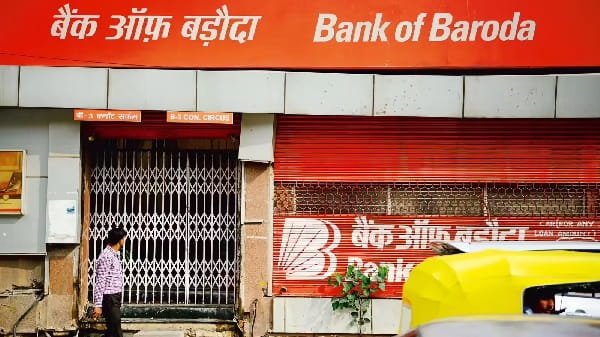
About Bank of Baroda
Bank of Baroda was established in 1908 in Vadodara, Gujarat. Over the years, it expanded rapidly and became one of India’s leading public sector banks.
In 2019, Vijaya Bank and Dena Bank were merged into Bank of Baroda, making it even larger in terms of branches, customers, and banking operations.
Today, the bank provides services such as:
- Savings accounts
- Current accounts
- Personal loans
- Home loans
- Education loans
- Fixed deposits
- Credit cards
- Mobile banking
- Internet banking
- Agriculture and corporate banking services
The bank serves individuals, businesses, students, farmers, pensioners, and corporate customers across India.
Why Do Some People Think Bank of Baroda Is Private?
Some people become confused because Bank of Baroda now offers modern banking facilities similar to private banks.
The bank provides:
- Mobile banking apps
- Internet banking
- Online fund transfers
- Digital payment services
- Credit card and loan facilities
Because of these modern banking features, some customers assume the bank may be privately operated. However, Bank of Baroda officially remains a government-owned public sector bank.
How Is Bank of Baroda Managed?
Bank of Baroda earns revenue mainly through banking and financial services offered to customers.
Its income comes from:
- Loan interest
- Banking fees and charges
- Deposits and investments
- Corporate banking services
- Retail banking operations
The bank is managed by its board of directors and executive leadership team, but major ownership and policy control remain with the Government of India.
The RBI supervises banking regulations and operations.
Difference Between Bank of Baroda and Private Banks
There are several differences between Bank of Baroda and private sector banks.
1. Ownership
- Bank of Baroda is government-owned.
- Private banks are owned by private shareholders and investors.
2. Banking Focus
- Bank of Baroda focuses strongly on public banking and financial inclusion.
- Private banks focus more on customer-focused and profit-driven services.
3. Decision Making
- Government banks may follow slower administrative procedures.
- Private banks usually make faster operational decisions.
4. Services
- Bank of Baroda provides both traditional and digital banking services.
- Private banks are often known for faster innovation and premium banking experiences.
Why Bank of Baroda Is Popular
Bank of Baroda is popular because of:
- Government ownership and trust
- Large branch network
- Strong rural banking presence
- Education and agriculture loan services
- Digital banking facilities
- International banking operations
The bank is widely used by students, salaried employees, farmers, pensioners, businesses, and corporate customers across India.
Conclusion
Bank of Baroda is a government bank, not a private bank. It is owned mainly by the Government of India and officially operates as a public sector bank under RBI regulations.
Its strong government backing, trusted reputation, and nationwide banking network make it one of India’s major public sector banks.