
Bank KYC, or Know Your Customer, is no longer just a form-filling step before opening an account. In India’s digital banking environment, KYC has become the identity backbone of the financial system. Whether a person opens a savings account, applies for a loan, activates internet banking, updates an old account, or starts investing, banks use KYC to confirm who the customer is and whether the account is being used for genuine financial activity.
The importance of KYC has increased because banking fraud, fake accounts, mule accounts, money laundering, and digital scams have also increased. A bank account is not just a place to keep money; it can be misused for illegal transfers, fake businesses, cyber fraud, and suspicious transactions. That is why banks collect and verify identity, address, financial profile, and business details before offering services.
According to RBI, KYC helps regulated entities such as banks verify customer identity and address, understand the nature of business and financial status, and prevent misuse of banking services for money laundering, terrorist financing, and proliferation financing.
Why Bank KYC is Important?
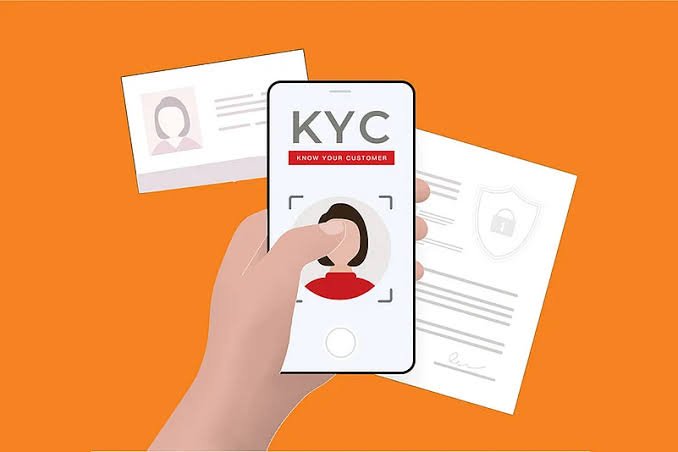
KYC protects both the bank and the customer. For banks, it helps identify genuine customers and monitor suspicious transactions. For customers, it reduces the risk of identity misuse and keeps banking records updated.
RBI’s KYC directions make customer due diligence necessary before opening an account or starting an account-based relationship. If proper customer due diligence cannot be completed because of non-cooperation or unreliable documents, the account relationship should not be opened.
This is why KYC is not optional in normal banking. It is a basic compliance requirement that supports safe banking.
How Bank KYC Works?
In the KYC process, the bank collects customer information and verifies it using valid documents or digital verification methods. For individuals, this may include identity proof, address proof, PAN, Aadhaar-related verification, photograph, mobile number, and other details depending on the account type.
For businesses, KYC is more detailed. Banks may check company registration documents, GST details, PAN, beneficial ownership, authorized signatories, business activity, and financial background.
Today, KYC can be completed through branch visits, digital channels, Aadhaar OTP-based e-KYC, CKYCR records, DigiLocker documents, and Video-based Customer Identification Process. RBI states that V-CIP is a secure, live, consent-based audio-video process and is treated on par with face-to-face customer identification.
Advantages of Bank KYC
1. Prevents Banking Fraud
The biggest advantage of KYC is fraud prevention. It becomes harder for criminals to open fake accounts using false names or stolen identities. Proper verification helps banks detect suspicious customers before account misuse begins.
2. Reduces Money Laundering Risk
KYC helps banks understand the source of funds, nature of business, and transaction pattern of the customer. This is useful in identifying illegal money movement and suspicious accounts.
3. Builds Trust in the Banking System
When banks know their customers properly, the financial system becomes more reliable. Customers, businesses, lenders, and regulators can trust that accounts are linked to verified identities.
4. Makes Loan Processing Safer
Before giving loans, banks need to understand the borrower’s identity, financial status, and repayment capacity. KYC helps banks reduce risk while approving personal loans, business loans, credit cards, and other credit facilities.
5. Helps in Digital Banking
KYC supports safe digital banking. Without proper identity verification, online account opening, mobile banking, UPI, card services, and investment platforms would become much riskier.
6. Easier Account Opening Through CKYCR
The Central KYC Records Registry, or CKYCR, helps reduce repeated document submission. RBI explains that a customer can use a KYC Identifier to allow a regulated entity to download valid KYC data from CKYCR, which may remove the need to submit the same KYC documents again.
7. Protects Customers From Identity Misuse
If banks maintain proper KYC records, it becomes easier to detect unauthorized account use, fake accounts, or identity-based fraud.
8. Keeps Customer Records Updated
Periodic KYC ensures that address, mobile number, documents, and customer profile remain updated. This helps banks contact customers, send alerts, and maintain accurate records.
Disadvantages of Bank KYC
1. Time-Consuming Process
KYC can feel lengthy, especially when documents are incomplete or mismatch with bank records. Customers may need to visit branches, upload documents, or attend video verification.
2. Repeated Updates Can Irritate Customers
Many customers feel frustrated when banks ask for KYC updates even after documents were submitted earlier. However, RBI says banks must update KYC records as part of ongoing due diligence. The minimum periodicity is once every two years for high-risk customers, eight years for medium-risk customers, and ten years for low-risk customers.
3. Service Restrictions Due to Pending KYC
If KYC is not updated within the required time, banks may restrict certain services. This can create problems for customers who depend on the account for salary, pension, business payments, or daily transactions.
4. Data Privacy Concerns
KYC requires customers to share sensitive personal information. If this data is not protected properly by institutions, it can create privacy and security risks.
5. Difficulty for Senior Citizens and Rural Customers
Some people may struggle with online KYC, video KYC, OTP verification, or document uploads. Senior citizens, rural customers, and people with limited digital literacy may find the process inconvenient.
6. Risk of KYC Scams
Fraudsters often misuse the word “KYC” to trick people. They may call customers pretending to be bank officials and ask for OTP, PIN, card details, or remote access. Genuine banks do not ask for such confidential information for KYC.
7. Document Mismatch Problems
Small differences in name spelling, address format, date of birth, or mobile number can delay KYC approval. This is common when old documents and bank records do not match.
Bank KYC and Re-KYC
Re-KYC means updating KYC details after a certain period or when customer information changes. If there is no change in KYC information, RBI allows banks to obtain self-declaration through registered email, mobile number, ATM, digital banking channels, letter, and other approved modes. For change only in address, self-declaration can also be accepted, subject to verification by the bank.
This has made the process easier than before because customers may not always need to visit the home branch for simple updates.
Conclusion
Bank KYC is an important safety layer in modern banking. It helps banks verify customers, prevent fraud, reduce money laundering, support digital banking, and maintain accurate financial records. Without KYC, the banking system would become more vulnerable to fake accounts, suspicious transactions, and identity misuse.
However, KYC also has drawbacks. It can be time-consuming, inconvenient, repetitive, and risky if customers fall for fake KYC calls or links. The real solution is not to avoid KYC, but to complete it carefully through official bank channels only.
In simple words, KYC may feel like a formality, but it is one of the strongest protections behind safe banking.
FAQs on Bank KYC
Q. What should I do if I receive a KYC update message?
Use only official bank channels such as the bank branch, mobile banking app, internet banking, or verified customer care. Do not click unknown links.
Q. Can my bank account be blocked for not updating KYC?
Banks may restrict operations if mandatory KYC requirements are not completed after due notice. The exact action depends on bank rules and regulatory requirements.
Q. Is video KYC safe?
Video KYC is safe when done through the bank’s official platform. Do not join video calls through random links sent by unknown people.
Q. Do I need to submit KYC again if I already have CKYC number?
Not always. If your CKYCR record is valid and complete, the bank may retrieve it with your consent. But fresh documents may be needed if details changed or records are incomplete.
Q. Can I update only my address without full KYC again?
In many cases, yes. RBI allows self-declaration for change only in address, but the bank must verify the declared address as per rules.
Q. What is the biggest KYC safety rule?
Never share OTP, UPI PIN, card PIN, CVV, password, or remote screen access in the name of KYC update. Genuine KYC does not require giving these secrets to anyone.