
The global investment banking industry is experiencing a powerful recovery in 2026 after several years of muted activity. Global investment banking fees reached USD 86.8 billion in 2024 and industry analysts project strong growth in 2025 and 2026 driven by the revival of IPO markets, a surge in M&A activity as interest rates stabilise, and the emergence of new deal categories in AI infrastructure, clean energy, and emerging market capital raising. JPMorgan Chase and Goldman Sachs consistently lead all global investment banking league tables, with the five American giants — Goldman Sachs, JPMorgan, Morgan Stanley, Bank of America, and Citigroup — collectively dominating more than 50 percent of global investment banking fee revenues. The industry is also being reshaped by the growth of boutique advisory firms that compete with bulge-bracket banks on complex M&A advisory mandates. Let us have a look at the top 10 biggest investment banks in the world for the year 2026.
1. JPMorgan Chase and Co.
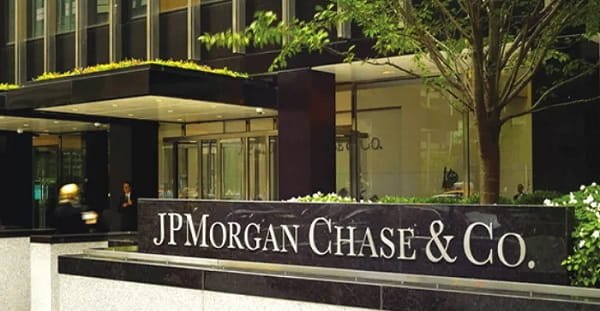
JPMorgan Chase, formed in the year 2000 and headquartered in New York, is the world’s number one investment bank by total investment banking revenues and consistently leads all major league tables for M&A advisory, equity underwriting, debt capital markets, and leveraged finance. The bank generated USD 9.97 billion in investment banking fees in 2024 and its combined commercial and investment banking division generated USD 17 billion in revenue in H1 2025. JPMorgan’s investment bank advises on the world’s most complex transactions across mergers, acquisitions, initial public offerings, bond issuances, and restructurings.
JPMorgan serves the world’s largest corporations, private equity firms, sovereign wealth funds, and institutional investors with its full-service investment banking capabilities spanning M&A advisory, equity capital markets, debt capital markets, leveraged finance, and markets trading, and is the single most important investment bank for any company or government seeking access to global capital markets.
2. Goldman Sachs
Goldman Sachs, founded in the year 1869 by Marcus Goldman in New York, is the world’s most prestigious investment bank and the benchmark firm for talent, culture, and strategic advisory in global finance. In 2024, Goldman generated USD 8.68 billion in investment banking fees and in September 2024 announced its most significant restructuring in decades, exiting consumer banking to refocus on its elite institutional and ultra-high-net-worth franchise. Goldman’s M&A advisory practice and its alternative asset management business through Goldman Sachs Asset Management are the firm’s most strategically important divisions for long-term value creation.
Goldman Sachs serves the world’s largest corporations, private equity titans, sovereign wealth funds, and institutional investors with M&A advisory, underwriting, trading, and asset management services, and is the investment bank that sets the standard for analytical rigour, transaction complexity, and strategic insight across every major financial market globally.
3. Morgan Stanley
Morgan Stanley, established in the year 1935 and headquartered in New York, is one of the world’s premier investment banks and the global leader in equity underwriting with a consistent top-two ranking across IPO and secondary equity offering league tables. The firm has been strategically transforming itself toward wealth management under CEO James Gorman’s legacy strategy, with the acquisitions of E-Trade and Eaton Vance creating a more fee-based, less volatile revenue model. Morgan Stanley’s investment banking division excels in technology sector IPOs, SPAC transactions, and equity-linked products.
Morgan Stanley serves corporations, governments, financial institutions, and individual investors with investment banking, securities, investment management, and wealth management services, and is the most important underwriting bank for technology sector companies seeking to access public equity markets through IPOs and secondary offerings globally.
4. Bank of America Merrill Lynch
Bank of America Merrill Lynch, created through Bank of America’s USD 50 billion acquisition of Merrill Lynch in the year 2009, is consistently a top-five global investment bank and particularly dominant in the debt capital markets segment where it is one of the world’s leading bond underwriters. The firm generated USD 6.53 billion in investment banking fees in 2024 and its combination of BofA’s commercial banking relationships with Merrill Lynch’s capital markets capabilities creates one of the most comprehensive financial platforms for large corporate clients globally.
BofA Merrill Lynch serves large corporations, governments, and institutional investors with M&A advisory, debt and equity underwriting, leveraged finance, and global markets capabilities, and is the investment bank with the deepest integration between commercial banking relationships and investment banking products that enables it to serve corporate clients across the full lifecycle of their financing needs.
5. Citigroup
Citigroup, founded through the merger of Citicorp and Travelers Group in the year 1998 and headquartered in New York, is one of the world’s most globally present investment banks with operations in 160 countries and a particularly strong franchise in emerging markets, foreign exchange, and fixed income products. Citi generated USD 6.14 billion in investment banking fees in 2024 and its global transaction services business is the leading bank for multinational treasury operations. Citi is the most internationally diversified American investment bank given its historical commitment to building local banking capabilities in emerging market countries.
Citigroup serves multinational corporations, financial institutions, governments, and sovereign wealth funds globally with its investment banking, capital markets, and transaction banking services, and its breadth of geographic presence makes it the most important investment bank for cross-border transactions involving emerging market economies in Asia, Latin America, Africa, and the Middle East.
6. Barclays Investment Bank
Barclays Investment Bank, the corporate and investment banking division of Barclays plc which was founded in the year 1690 in London, is one of the largest European investment banks and a significant global player particularly in the fixed income, credit, and leveraged finance segments. Barclays inherited a major US investment banking platform through its acquisition of Lehman Brothers’ North American operations during the 2008 financial crisis, giving it an instant footprint in the US market. The bank is consistently ranked among the top 10 global investment banks by fee revenue.
Barclays serves corporations, governments, institutional investors, and financial sponsors globally with its investment banking, debt and equity capital markets, M&A advisory, and markets trading capabilities, and is the most important non-American bulge-bracket investment bank for UK and European companies seeking international capital market access.
7. Deutsche Bank AG
Deutsche Bank, founded in the year 1870 and headquartered in Frankfurt, is Europe’s largest investment bank by balance sheet and has been undergoing a major strategic transformation to refocus on its core corporate and investment banking strengths while reducing its global footprint in non-core businesses. The bank is a market leader in European fixed income, foreign exchange, and interest rate derivatives trading and has a strong transaction banking franchise serving multinational corporations. Deutsche Bank’s restructuring under CEO Christian Sewing has significantly improved its profitability and capital ratios.
Deutsche Bank serves large corporations, institutional investors, hedge funds, and governments globally with its corporate and investment banking, fixed income, currencies, transaction banking, and private banking services, and is the primary investment banking relationship for Germany’s powerful Mittelstand corporate sector and major German industrial conglomerates.
8. UBS Group AG
UBS Group, formed through the merger of Union Bank of Switzerland and Swiss Bank Corporation in the year 1998 and headquartered in Zurich, dramatically expanded its global investment banking footprint through its emergency acquisition of Credit Suisse in the year 2023 which added a major global investment bank to UBS’s existing capabilities. The combined entity is now one of the world’s most comprehensive financial services groups spanning investment banking, wealth management, and asset management with particularly strong Swiss and European client franchises. UBS’s integration of Credit Suisse has created one of the most significant investment banking consolidations in recent financial history.
UBS serves ultra-high-net-worth individuals, corporations, financial institutions, and sovereign clients globally with its combined investment banking, wealth management, and asset management capabilities, and its Credit Suisse acquisition has made it a significantly more powerful global investment banking competitor than before the merger.
9. Wells Fargo Securities
Wells Fargo Securities, the investment banking division of Wells Fargo and Company which was founded in the year 1852 and headquartered in San Francisco, has been steadily growing its investment banking presence particularly in the middle-market M&A advisory and leveraged loan and high-yield bond markets where it competes with bulge-bracket peers. The division benefits from Wells Fargo’s enormous corporate banking client base that provides natural investment banking cross-sell opportunities. Wells Fargo is consistently ranked among the top 10 global investment banks by league table metrics.
Wells Fargo Securities serves large and middle-market corporations with M&A advisory, debt and equity capital markets, leveraged finance, and structured products, and its deep commercial banking relationships with the broadest range of US companies outside of JPMorgan and Bank of America provide a large and captive client base for investment banking product sales.
10. Jefferies Financial Group
Jefferies Financial Group, founded in the year 1962 and headquartered in New York, is the world’s most successful and rapidly growing independent investment bank and a prime example of how boutique and mid-size investment banks are gaining share from bulge-bracket firms. The firm is now consistently a top-10 global investment bank in multiple league tables and in fiscal year 2024 generated record investment banking net revenues of USD 3.17 billion — a 72 percent increase year-on-year. Jefferies’ success reflects a broader trend of large corporations and private equity firms preferring independent advisory voices over banks with potential conflicts from their own balance sheet activities.
Jefferies serves corporations, financial sponsors, private equity firms, and institutional investors with M&A advisory, equity and debt underwriting, leveraged finance, and equity research, and its independence from commercial banking conflicts and its entrepreneurial culture have made it the most successful challenger to the bulge-bracket banks in complex M&A transactions.
Frequently Asked Questions (FAQs)
Q: Which is the number one investment bank in the world in 2026?
A: JPMorgan Chase is consistently ranked as the world’s number one investment bank, leading all major league tables for M&A advisory, equity underwriting, debt capital markets, and leveraged finance. JPMorgan generated USD 9.97 billion in investment banking fees in 2024. Goldman Sachs is a very close second and is considered the most prestigious investment bank by reputation and advisory quality.
Q: What is an investment bank and how does it differ from a commercial bank?
A: An investment bank helps corporations, governments, and institutions raise capital by underwriting and selling securities, advises on mergers and acquisitions, and trades financial instruments in capital markets. A commercial bank takes deposits from customers and lends money to borrowers. Investment banks primarily serve institutional clients and large corporations while commercial banks primarily serve retail and business deposit and loan customers. Many large financial institutions like JPMorgan and Bank of America operate both investment banking and commercial banking divisions.
Q: What are bulge-bracket investment banks?
A: Bulge-bracket investment banks are the largest and most globally prestigious investment banking firms that handle the world’s biggest and most complex transactions. They are typically defined as the five major American firms — Goldman Sachs, JPMorgan, Morgan Stanley, Bank of America Merrill Lynch, and Citigroup — plus the major European firms including Barclays, Deutsche Bank, and UBS. These banks have the capital, global reach, and relationships to handle multi-billion-dollar transactions simultaneously across multiple markets.
Q: What services do investment banks provide?
A: Investment banks provide M&A advisory helping companies buy, sell, or merge with other businesses, equity capital markets services including IPOs and secondary offerings, debt capital markets including bond underwriting and loan syndication, leveraged finance for private equity buyouts, restructuring advisory for distressed companies, asset management through subsidiary firms, securities trading and market-making, and equity and credit research. The most prestigious and highest-fee business is M&A advisory where banks advise on complex strategic transactions.
Q: Are boutique investment banks a threat to bulge-bracket banks?
A: Yes, increasingly so. Boutique advisory firms like Lazard, Evercore, Moelis, Centerview, and Jefferies have taken a growing share of M&A advisory mandates particularly for the most sensitive and complex transactions where clients prefer independent advice uncontaminated by balance sheet conflicts. In 2024, Jefferies generated a record USD 3.17 billion in investment banking revenues — a 72 percent increase. Boutiques compete on advice quality and independence and have attracted many of the best senior bankers from bulge-bracket firms.