
A manufacturing business is where raw materials are turned into real products people can touch, use, sell, repair, pack, transport and export. A simple idea becomes a physical item through machines, labour, design, quality control and production planning. From garments, furniture, food products and plastic goods to electronics, machinery parts and packaging materials, manufacturing supports almost every sector of the economy.
The beauty of manufacturing is that it creates value. Cotton becomes clothes, wood becomes furniture, milk becomes packaged dairy products, metal becomes tools, and raw ingredients become branded food items. A successful manufacturing business can generate steady income, create jobs, build a strong brand and supply products to local, national or international markets.
However, manufacturing is not an easy business. It needs capital, machines, labour, raw materials, licences, quality control, storage, electricity, maintenance and proper marketing. If production is not planned well, losses can happen quickly.
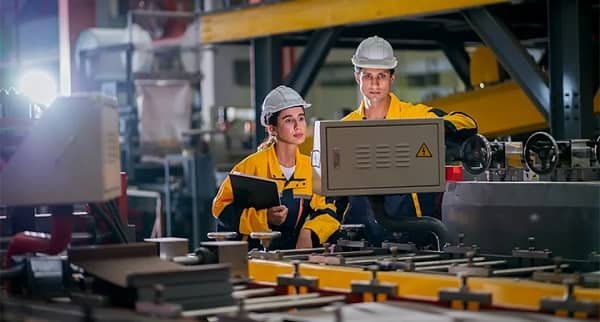
What is a Manufacturing Business?
A manufacturing business produces finished goods by using raw materials, labour, machines and technology. The goods may be sold directly to customers, wholesalers, retailers, distributors, exporters or other businesses.
Manufacturing can be small-scale or large-scale. A small unit may produce candles, snacks, garments or handmade products. A large factory may manufacture vehicles, chemicals, steel, electronics or industrial machines.
The main goal is to convert inputs into finished products and sell them at a profit.
Main Features of Manufacturing Business
1. Production-Based Activity
The business depends on producing goods, not only buying and selling ready-made items.
2. Use of Raw Materials
Raw materials are purchased and converted into finished products.
3. Labour and Machinery
Most manufacturing businesses need workers, tools, machines, equipment and production systems.
4. Quality Control
Product quality must be checked regularly because poor quality can damage reputation and increase returns.
5. Stock Management
Raw materials, work-in-progress and finished goods must be managed carefully.
Advantages of Manufacturing Business
1. Value Addition
The biggest advantage of manufacturing is value creation. Raw materials are converted into useful products, and this increases their market value.
For example, flour has one value, but biscuits, cakes or packaged snacks made from it can sell at a higher price.
2. Good Profit Potential
If production cost is controlled and demand is strong, manufacturing can provide good profit. Bulk production can reduce per-unit cost and improve margins.
3. Brand Building Opportunity
A manufacturer can create its own brand. Good quality, packaging, design and customer trust can help the business grow beyond the local market.
4. Employment Generation
Manufacturing creates jobs for machine operators, labourers, supervisors, packers, designers, quality checkers, drivers, accountants and sales staff.
This makes it important for economic development.
5. Scope for Expansion
Once demand increases, a manufacturing business can expand production, add new products, enter new markets or supply to bigger companies.
6. Control Over Product Quality
Unlike trading, where goods are bought from others, manufacturing gives the owner control over material, design, quality and production method.
7. Supports Exports
Many manufactured goods can be exported. Products like textiles, leather goods, food items, engineering goods, handicrafts and chemicals have export potential.
8. Long-Term Business Stability
If the product has regular demand and good distribution, manufacturing can become a stable long-term business.
Disadvantages of Manufacturing Business
1. High Initial Investment
Manufacturing usually needs money for land, rent, machines, tools, raw materials, electricity setup, labour, licences and storage. This makes entry difficult for beginners.
2. Raw Material Price Fluctuation
If raw material prices increase suddenly, production cost rises. If selling price cannot be increased, profit falls.
3. Labour Management Challenges
Manufacturing depends heavily on workers. Absenteeism, lack of skill, labour disputes, training issues and low productivity can affect production.
4. Risk of Unsold Stock
If products are manufactured but not sold, money gets blocked in inventory. Unsold goods may also become outdated, damaged or expired.
5. Quality Problems
If quality is poor, customers may reject products. Returns, complaints and reputation loss can hurt the business.
6. Maintenance Cost
Machines need regular maintenance and repair. Breakdown can stop production and delay orders.
7. Legal and Compliance Requirements
Manufacturing businesses may need registrations, factory licence, GST, pollution clearance, labour compliance, fire safety and product-specific approvals.
8. Market Competition
Manufacturers face competition from local producers, large companies, imported goods and low-cost suppliers. Competing on price and quality can be tough.
Manufacturing Business vs Trading Business
In a trading business, goods are purchased and sold without changing their form. In manufacturing, goods are produced from raw materials.
Trading usually needs lower investment and is easier to start. Manufacturing needs more capital and planning, but it gives better control over product quality, branding and profit margins.
In simple words, trading is faster to start, while manufacturing can create stronger long-term value.
Who Should Start a Manufacturing Business?
A manufacturing business is suitable for people who can manage production, workers, quality, cost and supply chain. It is good for entrepreneurs who understand a product deeply and can identify market demand.
Before starting, one should prepare a proper business plan, calculate costs, study competitors, arrange suppliers, check legal requirements and plan sales channels. Starting production without market research can be risky.
Conclusion
Manufacturing business plays a powerful role in economic growth because it creates products, jobs, brands and industrial development. Its biggest advantages are value addition, profit potential, quality control, employment generation and expansion opportunities.
But it also has disadvantages such as high investment, raw material risk, labour issues, machine maintenance, compliance pressure and unsold stock.
In simple words, manufacturing can turn raw materials into real wealth, but only when production, quality, cost and market demand are managed carefully.
FAQs on Manufacturing Business
Q: Is manufacturing business profitable?
A: Yes, it can be profitable if demand is strong, production cost is controlled and product quality is consistent.
Q: Can I start manufacturing with low investment?
A: Yes, small-scale manufacturing like candles, snacks, paper bags, garments, soap, handicrafts or bakery products can be started with lower investment.
Q: What is the biggest risk in manufacturing?
A: The biggest risks are high investment, unsold stock, quality failure, raw material price increase and weak market demand.
Q: Which manufacturing business is good for beginners?
A: Food products, garments, packaging items, handmade products, candles, cleaning products and small household goods can be suitable for beginners.
Q: Why is quality control important in manufacturing?
A: Quality control prevents defects, customer complaints, product returns and brand damage.
Q: How can a manufacturing business grow?
A: It can grow through better quality, cost control, new products, wider distribution, branding, online sales and bulk orders.