
The arrest itself is over quickly. An hour, maybe two. What comes after is slower, messier and far more personal, because it shows up in places you don’t expect: your morning commute, your work schedule, your insurance bill, even your vacation plans.
Think about an ordinary Tuesday in Sonoma County. You drive from Petaluma to work in Santa Rosa, swing by Sebastopol on the way home, maybe head up to Healdsburg on the weekend. Now take the car out of the picture. Things get hard fast.
Here’s what catches most people off guard. A DUI in California isn’t one case. It’s two, and they run on separate clocks.
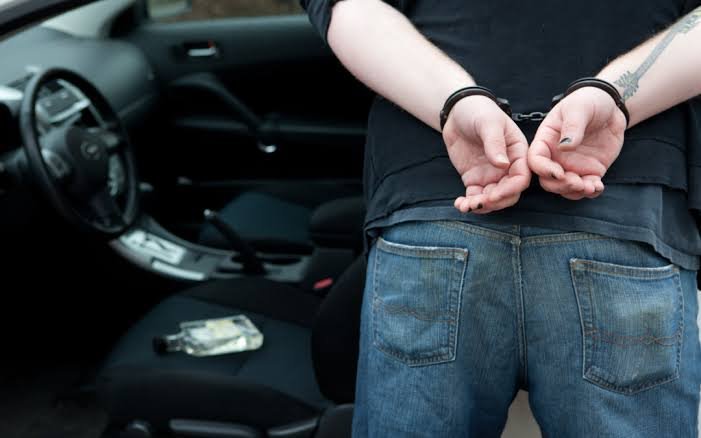
You Have 10 Days to Protect Your License
After a DUI arrest, you get 10 days to request a hearing with the California DMV. That’s it. Miss the window and your license suspension kicks in automatically, no matter what happens later in court.
In most cases, the officer takes your license on the spot and gives you a pink notice. That piece of paper works as a temporary license for 30 days. Then it’s done.
The DMV case only decides whether you can keep driving. The criminal case decides everything else. You can win one and lose the other, which surprises a lot of people. For an adult on a first offense with a blood alcohol level of 0.08% or higher, the DMV suspension usually lasts four months.
Mark the date now. Those are calendar days, not business days. Get arrested on a Friday night and you’ve already lost part of your weekend.
Getting to Work Turns Into a Puzzle
Usually the first thing to change is the commute.
SMART trains and county buses cover pieces of the Highway 101 corridor. They help. But they won’t get you to a vineyard at 6 a.m., a home out in west county, or a restaurant shift that ends after midnight. For a lot of people here, a car isn’t a luxury. It’s how the day works.
Some drivers qualify for a restricted license. Others can keep driving with an ignition interlock device, a small breath tester wired into the car that has to read clean before the engine will start. It isn’t free. There’s an install fee, a monthly service charge and regular check-ins, and figuring it out early beats spending three months asking coworkers for rides.
Court Takes Months, Not Days
Every DUI case in the county runs through the Sonoma County Superior Court at the Hall of Justice on Administration Drive in Santa Rosa. A typical misdemeanor case starts with an arraignment, moves through one or more pretrial dates, and ends with a plea deal, a dismissal or, less often, a trial.
Each of those dates can cost you a shift. Good news, though. In many misdemeanor cases, California lets a lawyer appear for you, so you may not have to take time off for every single hearing.
The Fine Is the Smallest Number on the Bill
On paper, a first-time DUI fine in California is $390 to $1,000. In real life, state and county penalty assessments stack on top until the total is several times higher. And that’s just the start. Other common costs and conditions include:
- Probation, often three to five years
- A state-licensed DUI program, usually three to nine months
- Possible jail time, from 96 hours up to six months
- An SR-22 insurance filing, typically required for three years
- Higher insurance premiums that can stick around for years
Certain details make it worse, even the first time. Driving way over the speed limit is one. Having a child under 14 in the car is another. Either can add mandatory jail time.
Your Job and Travel Plans Can Take a Hit
A DUI conviction shows up on plenty of background checks. If you’re a nurse, a real estate agent or a contractor, your licensing board may have its own reporting rules to deal with.
Commercial drivers have the most to lose. Even if the arrest happened in your personal car, a first DUI can cost you your commercial driving privileges for a full year. If you drive a delivery truck or haul grapes during harvest, that’s your income.
Then there’s travel. Canada can turn away visitors with a DUI on their record. Plenty of people only find this out at the border.
The Record Sticks Around
California looks back 10 years. Get a second DUI within that window, and the penalties jump: longer suspension, more jail, bigger fines.
There is a way to clean things up a bit. After you finish probation, you can often ask the court to dismiss the conviction under California Penal Code 1203.4. That helps on a lot of job applications. But it has limits. The dismissed DUI still counts as a prior if you’re arrested again within those 10 years.
What You Do This Week Matters Most
Because the DMV deadline comes up so fast, many people talk with a Sonoma County DUI attorney within the first few days, while memories are fresh and records are easier to request. A careful review usually digs into a handful of questions:
- Did the officer have a valid reason to pull you over?
- How were the field sobriety tests explained and scored?
- Was the breath machine maintained and calibrated under California’s Title 17 rules?
- How was any blood sample collected, stored and tested?
A problem with any one of them can change the DMV case, the criminal case, or both.
A Quick First-Week Checklist
- Write down everything you remember about the stop. Today, not next week.
- Request your DMV hearing before the 10-day deadline.
- Find your court paperwork and note your arraignment date.
- Work out how you’ll get around for the next few months.
- Check whether your job or professional license has reporting rules.
An arrest doesn’t decide how this ends. The next few days often do. So ask yourself: if your license were suspended tomorrow, how would you get to work on Monday?