
Yes, banks can legally share certain credit information with CIBIL without obtaining separate permission every time they report it. In India, reporting credit information to authorised Credit Information Companies (CICs) such as TransUnion CIBIL is part of the regulated credit-reporting system. The Credit Information Companies (Regulation) Act, 2005 (CICRA) provides the legal framework under which credit institutions furnish credit information to CICs. RBI also requires regulated lenders to submit credit data to credit information companies.
However, this does not mean that banks can freely share all your personal or banking information with anyone. Banking confidentiality rules continue to apply, and disclosure outside the permitted credit-information framework generally requires an appropriate legal basis, duty, or customer consent.
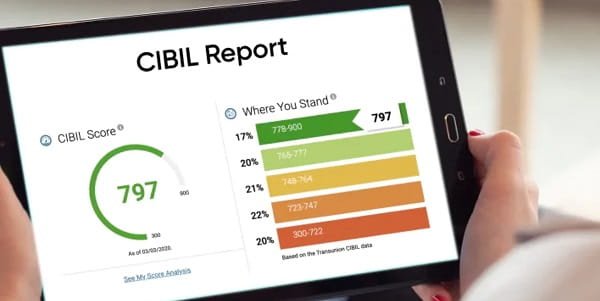
What Is CIBIL Data?
CIBIL data refers to information about a borrower’s credit history that is maintained by a Credit Information Company. It can include information such as:
- Personal identification details
- Loan accounts
- Credit card accounts
- Outstanding balances
- Repayment history
- Defaults or overdue payments
- Credit enquiries
- Account status
- Details of secured and unsecured credit
This information helps lenders evaluate the creditworthiness of borrowers before approving loans or credit cards.
The purpose is to create a reliable credit history rather than allowing each bank to assess a borrower without knowing their existing borrowing obligations.
Is Bank Permission Required Before Sharing CIBIL Data?
A borrower should distinguish between general consent or disclosure arrangements and the requirement for a separate permission each time data is reported.
Banks are permitted, and in many cases required under the credit-information framework, to furnish relevant credit information to authorised CICs. RBI regulations state that credit institutions have to provide required credit information to CICs in accordance with CICRA and related regulations.
Therefore, a bank does not generally need to obtain a fresh signature or separate permission from the borrower every time it updates an existing loan account with CIBIL.
This is different from sharing your information with an unrelated third party for an unrelated purpose.
Why Can Banks Share Credit Information with CIBIL?
The Credit Information Companies (Regulation) Act, 2005 provides the legal framework for collecting and sharing credit information.
RBI has specifically required credit institutions to become members of credit information companies and provide credit data. The regulatory framework also requires credit information to be updated regularly and maintained accurately.
This system benefits both lenders and borrowers.
For lenders, it helps them assess whether an applicant already has substantial debt or a history of missed payments.
For borrowers, maintaining an accurate credit history can help establish financial credibility and improve access to future credit.
What Information Can Banks Report to CIBIL?
Banks and other eligible credit institutions can report information related to your credit facilities.
For example, a lender may report:
1. Loan Information
The lender can report details about personal loans, home loans, vehicle loans and other eligible credit facilities.
2. Repayment History
Information about whether EMIs are being paid on time is an important component of a credit report.
3. Outstanding Amount
The lender may report the outstanding balance associated with the credit account.
4. Defaults and Overdue Amounts
If a borrower fails to make required payments, applicable overdue or default information may be reported according to regulatory procedures.
5. Credit Enquiries
When lenders access your credit report for a loan or credit-card application, the resulting enquiry can appear in your credit history.
Can Banks Share Your Entire Bank Account Information with CIBIL?
No. A bank’s ability to report credit information does not mean it can disclose everything contained in your bank account.
Banking regulations recognise a general duty of confidentiality. RBI directions state that banks should maintain secrecy regarding customer information arising from the banker-customer relationship. Disclosure is permitted in specified circumstances, including where disclosure is required by law, there is a public duty to disclose, the bank’s interests require disclosure, or the customer has given express or implied consent.
Therefore, credit reporting should not be confused with unrestricted sharing of private banking information.
What About Credit Card Information?
Credit card issuers can report credit history and repayment information to authorised Credit Information Companies.
RBI guidance specifically states that credit card issuers should inform customers that information relating to credit history and repayment records is being provided to a CIC under the Credit Information Companies (Regulation) Act, 2005. RBI also requires specific procedures before reporting certain default information.
This means borrowers should understand that timely or delayed credit-card payments can become part of their credit history.
Can a Bank Report a Default Without Your Permission?
A borrower generally cannot prevent a lender from reporting a genuine credit default simply by refusing separate permission at the time of reporting.
The credit-reporting system is designed to provide lenders with accurate information about borrowers’ repayment behaviour. For certain credit-card default reporting, RBI requires the issuer to follow its approved procedure and intimate the cardholder before reporting the status.
The important point is that the information reported must be accurate and follow applicable regulatory requirements.
What If the CIBIL Information Is Wrong?
If a bank reports incorrect information, borrowers have the right to raise a dispute and request correction.
Common examples include:
- A loan shown as active after it was closed
- Incorrect outstanding balance
- Wrong overdue amount
- Incorrect personal details
- Duplicate loan account
- Incorrect payment status
- Loan account that does not belong to you
RBI’s framework requires credit information to be maintained accurately and completely.
If you find an error, you should first contact the lender and the relevant credit information company and provide supporting documents.
Can Banks Share CIBIL Data with Other Companies?
Banks cannot treat your CIBIL information as unrestricted commercial data.
The banking confidentiality framework places obligations on banks regarding customer information. Disclosure to third parties must have an appropriate legal basis, regulatory basis, duty, or applicable consent.
Therefore, reporting credit information to an authorised CIC under the credit-information framework is fundamentally different from casually selling or distributing a customer’s financial information.
Why Is CIBIL Reporting Important?
CIBIL reporting plays an important role in India’s lending system.
When lenders can see a borrower’s existing loans and repayment behaviour, they can make more informed lending decisions. RBI has directed CICs to provide comprehensive credit reports covering the borrower’s available credit information across relevant modules, helping lenders avoid making decisions based on incomplete credit histories.
For responsible borrowers, a good credit history can support:
- Easier loan approval
- Better chances of competitive interest rates
- Higher eligible loan amounts
- Faster credit decisions
- Greater negotiating power with lenders
What Should You Do If Your Data Was Shared Incorrectly?
If you believe a bank has shared incorrect or unauthorised information, take the following steps:
- Check your CIBIL report carefully.
- Identify the disputed account or information.
- Contact the lender and raise a written complaint.
- Raise a dispute with the relevant CIC.
- Keep copies of all supporting documents.
- Escalate the complaint through the lender’s grievance-redressal process if necessary.
- Consider the applicable RBI complaint mechanism if the issue remains unresolved.
Do not ignore incorrect credit information because it can affect future loan and credit-card applications.
Conclusion
Banks in India can legally report relevant credit information to authorised Credit Information Companies such as CIBIL without taking separate permission every time they submit or update the information. This is part of the regulated credit-reporting framework established under CICRA and RBI directions.
However, this permission to participate in credit reporting should not be interpreted as unlimited access to or unrestricted sharing of your personal banking information. Banks remain subject to confidentiality obligations, and disclosures outside the permitted framework require an appropriate legal or regulatory basis or applicable consent.
For borrowers, the most important step is to regularly check their credit report and immediately dispute any inaccurate or unauthorised information. A correct CIBIL record is important because it can directly influence future loan and credit-card decisions.
Frequently Asked Questions
Q: Can a bank report my loan to CIBIL without asking me every time?
A: Yes. A lender generally does not need separate permission for every periodic submission of credit information to an authorised CIC when the reporting is done under the applicable regulatory framework.
Q: Can I stop my bank from reporting my genuine loan repayment history?
A: Generally, no. Credit institutions are required to participate in the regulated credit-information system and furnish required credit information to CICs.
Q: Can a bank share my bank balance with CIBIL?
A: Credit reporting does not give a bank unrestricted permission to share all banking information. Banks remain subject to confidentiality obligations.
Q: What should I do if my CIBIL report contains incorrect information?
A: Contact the lender and the relevant CIC, raise a dispute, and provide documents supporting your claim. Incorrect credit information should be corrected through the applicable dispute-resolution process.