
Jewellery is not just a product people buy; it is emotion, status, tradition, fashion, investment, and family memory packed into gold, silver, diamonds, and gemstones. A necklace may be bought for a wedding, a ring may mark a relationship, a bracelet may become a gift, and gold ornaments may quietly become a family’s emergency asset. This emotional and financial value makes the jewellery business one of the most attractive businesses in India.
A jewellery business can be started in many forms: a retail showroom, online jewellery store, gold and silver shop, imitation jewellery business, diamond jewellery boutique, custom-design studio, wholesale trading, or manufacturing unit. The demand is strong because jewellery is linked with festivals, weddings, culture, gifting, savings, and fashion.
However, this business is not easy. It needs trust, capital, quality control, security, legal compliance, skilled workers, and careful inventory management. In India, hallmarking is also important because BIS states that hallmarks are official marks used as a guarantee of purity or fineness of precious metal articles.
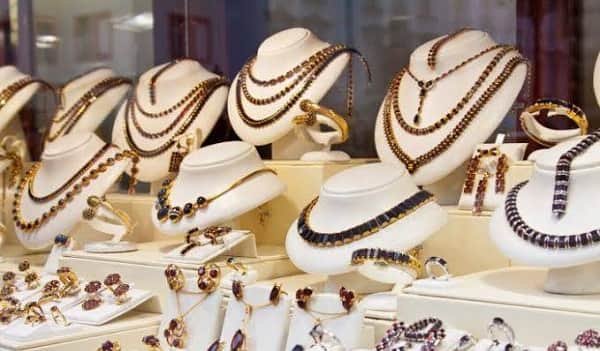
What is Jewellery Business?
Jewellery business means buying, selling, designing, manufacturing, repairing, or trading ornaments and precious items made from gold, silver, platinum, diamonds, gemstones, or artificial materials.
It may include:
- Gold jewellery
- Silver jewellery
- Diamond jewellery
- Bridal jewellery
- Imitation jewellery
- Handmade jewellery
- Customized jewellery
- Antique jewellery
- Online jewellery sales
This business can serve both daily-wear customers and premium buyers.
Main Features of Jewellery Business
1. High-Value Product
Jewellery items are expensive compared to many other retail products. Even a small stock can involve a large amount of money.
2. Trust-Based Selling
Customers buy jewellery only when they trust the seller’s purity, weight, pricing, and reputation.
3. Seasonal Demand
Sales usually rise during weddings, festivals, Akshaya Tritiya, Dhanteras, Diwali, and family functions.
4. Design Matters
Good design is very important. Customers often compare patterns, finishing, trend, making charges, and customization options before buying.
5. Compliance Requirement
Jewellery businesses need proper bills, GST compliance, hallmarking awareness, and transparent pricing. BIS says jewellers willing to sell hallmarked gold and silver jewellery or artefacts can apply for registration through the BIS portal.
Advantages of Jewellery Business
1. High Profit Potential
Jewellery can offer good profit through making charges, design value, brand premium, customization, repair work, and resale margins. Designer and bridal jewellery can especially bring strong earnings.
2. Strong Demand in India
Jewellery has deep cultural value in India. Weddings, festivals, religious events, birthdays, anniversaries, and gifting traditions keep demand active throughout the year.
3. Emotional Customer Connection
Jewellery is not an ordinary purchase. Customers often buy it for special moments. This emotional value helps build long-term customer relationships.
4. Multiple Business Models
A person can start small with imitation jewellery or handmade pieces. Larger investors can open gold showrooms, diamond stores, manufacturing units, or wholesale businesses.
5. Online Growth Opportunity
Social media, websites, marketplaces, and WhatsApp catalogues have opened new opportunities for jewellery sellers. Lightweight jewellery, artificial jewellery, and customized designs sell well online.
6. Repeat Customers
Families often return to the same trusted jeweller for weddings, repairs, exchange, small purchases, and future investments. Trust can create lifelong customers.
7. Scope for Branding
A jewellery business can grow through unique designs, purity assurance, good packaging, customer service, bridal collections, and transparent pricing.
8. Resale and Exchange Value
Gold and silver jewellery have resale or exchange value. This makes customers more comfortable buying them compared to many fashion products.
Disadvantages of Jewellery Business
1. High Initial Investment
Gold, diamonds, showroom setup, security, staff, insurance, display counters, and inventory require large capital. Even a small gold jewellery shop needs serious investment.
2. Security Risk
Jewellery shops face risk of theft, robbery, employee fraud, fake customers, and cyber fraud in online payments. Strong security systems are necessary.
3. Price Fluctuation
Gold and silver prices change frequently. Sudden price movement can affect customer demand, stock value, and profit margins.
4. Trust Takes Time
New jewellery businesses may struggle because customers prefer known and reputed jewellers. Building trust takes time, quality, transparency, and consistent service.
5. Compliance Pressure
Jewellery businesses must follow tax rules, billing norms, hallmarking requirements, and quality standards. Mistakes can create penalties and reputation loss.
6. Inventory Management Problems
Jewellery stock is expensive and design-sensitive. If designs become outdated, selling old stock may become difficult.
7. Competition is High
The market has local jewellers, big brands, online sellers, wholesalers, and imitation jewellery brands. Competing on price and design can be challenging.
8. Skilled Labour Dependency
Manufacturing and custom jewellery need skilled karigars, designers, polishers, setters, and quality checkers. Shortage of skilled workers can affect product quality.
Importance of Hallmarking in Jewellery Business
Hallmarking is very important in the jewellery business because customers want purity assurance. BIS explains that gold jewellery and artefacts are permitted for hallmarking in grades such as 14K, 18K, 20K, 22K, 23K and 24K fineness levels.
For jewellers, proper hallmarking improves customer trust. For customers, it reduces the chance of paying for lower-purity gold. BIS Care app also allows users to verify HUID and hallmark-related details, which has made transparency more important for sellers.
Conclusion
The jewellery business can be highly profitable because it combines beauty, emotion, tradition, investment value, and repeat demand. Its biggest advantages are strong market demand, high-value sales, customer loyalty, branding opportunities, and online growth.
But it also has serious challenges. High investment, security risk, price fluctuation, compliance pressure, competition, and trust-building make it a difficult business for careless beginners.
In simple words, the jewellery business can shine beautifully, but only when it is built on trust, quality, transparency, and careful money management.
FAQs on Jewellery Business
Q: Is jewellery business profitable?
A: Yes, it can be profitable, especially with good design, trusted quality, transparent pricing, and repeat customers. But profit depends on investment, location, product type, and competition.
Q: Can I start a jewellery business with low investment?
A: Yes, imitation jewellery, handmade jewellery, silver jewellery, or online fashion jewellery can be started with lower investment than gold or diamond jewellery.
Q: What is the biggest risk in jewellery business?
A: The biggest risks are high inventory cost, theft, price fluctuation, and loss of customer trust due to quality issues.
Q: Is online jewellery business a good idea?
A: Yes, especially for imitation, silver, lightweight, customized, and fashion jewellery. But product photography, trust, return policy, and secure delivery are very important.
Q: Why is trust important in jewellery business?
A: Customers spend large amounts and expect correct purity, weight, design, and billing. One mistake can damage reputation badly.
Q: What should a new jeweller focus on first?
A: A new jeweller should focus on quality, transparent pricing, proper bills, secure stock handling, attractive designs, and customer trust.